
New Zealand’s Sustainable Finance Opportunity: Building the Leadership and Talent Pipeline for Growth
Reflections on New Zealand’s evolving sustainable finance ecosystem, leadership capability, climate investment, and the importance of building long-term talent pipelines to support the transition economy.
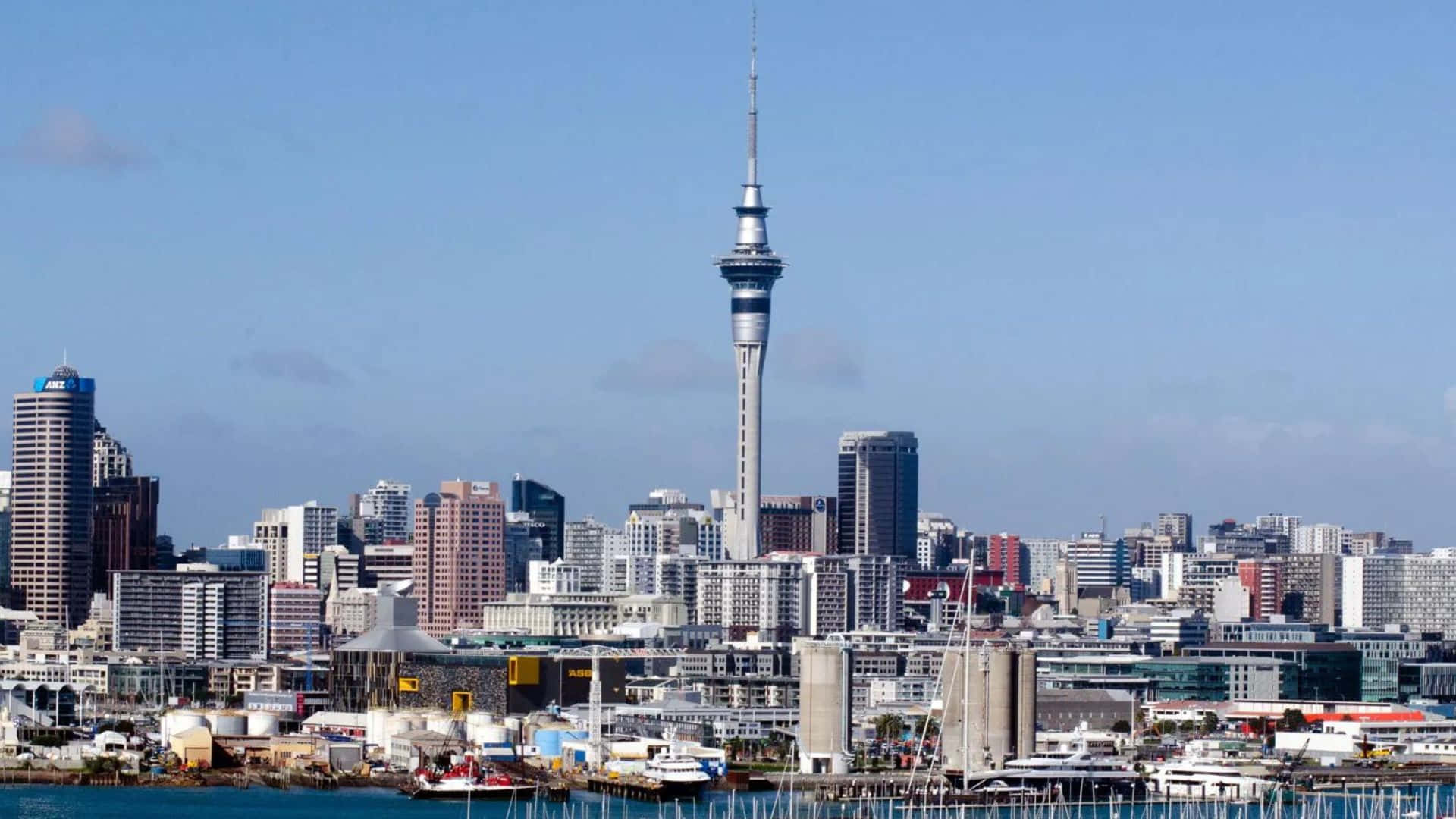
I spend a lot of my time in Auckland, and while there I always take the opportunity to meet with leaders across New Zealand’s sustainability and finance ecosystem, spanning banking, investment, advisory, policy, and climate-focused organisations.
What emerged from these most recent conversations was both encouraging and insightful.
There is a strong sense that New Zealand is exceptionally well positioned to play a meaningful role in the global transition towards a more sustainable and resilient economy. The ambition is real, the ecosystem is highly collaborative, and the alignment between capital, sustainability, and long-term impact continues to strengthen.
Alongside this momentum, however, one consistent theme repeatedly surfaced:
How does New Zealand continue to build the leadership capability and talent pipeline needed to support the next phase of growth?
A Sustainable Finance Market Positioned for Growth
There is no shortage of ambition or innovation within New Zealand’s sustainability and climate finance ecosystem.
Across the market, organisations are actively advancing sustainable finance frameworks, climate investment strategies, impact investment platforms, nature-based solutions, and evolving policy and regulatory initiatives.
In many ways, New Zealand benefits from several structural advantages:
a collaborative and well-connected ecosystem
strong institutional credibility
growing alignment between public and private sector priorities
an evolving sustainability and climate policy environment
increasing focus on long-term economic resilience and impact
There is a genuine sense that New Zealand is well positioned for continued growth in sustainable finance, climate investment, and transition-related sectors.
A Talent Opportunity - Not a Talent Shortage
One thing became clear throughout these discussions: New Zealand already has a strong base of capable, committed, and purpose-driven talent operating across sustainability and finance.
The challenge is less about talent scarcity and more about ensuring depth of capability and long-term pipeline development as the sector evolves.
Increasingly, the conversation is shifting towards questions such as:
How do organisations broaden access to leadership talent?
How can the market attract individuals with global experience?
How do we enable greater movement across sectors and disciplines?
How can organisations access highly specialised capabilities at the right time?
This is fundamentally a conversation about strengthening the long-term leadership ecosystem rather than simply filling vacancies.
Why Expanding the Leadership Pipeline Matters
Many organisations operating across sustainable finance and climate-related sectors are working in areas that remain relatively new, highly specialised, and rapidly evolving.
These include:
climate finance
carbon markets
impact investing
transition strategy
nature and biodiversity finance
sustainable infrastructure and investment
As a result, the question is no longer simply:
“Who is available locally?”
It is increasingly:
“How does New Zealand connect more effectively with global talent, international experience, and specialist capability?”
The Challenge of Attracting International Talent
Several themes consistently emerged when discussing international recruitment and leadership attraction, including expatriates considering a return to New Zealand.
Competition from Larger Markets
New Zealand continues to compete with larger global financial centres that often offer:
higher compensation
larger investment platforms
broader market scale
more defined career pathways
Articulating the Opportunity Internationally
While New Zealand offers a compelling proposition, the professional opportunity is not always clearly communicated globally.
Potential candidates may still have questions around:
the scale and complexity of roles
long-term career progression
how international experience translates into the local market
the long-term trajectory of the sector
Practical and Lifestyle Considerations
Relocation decisions are increasingly complex and often involve broader considerations around family, lifestyle, distance from global networks, and perceived career risk.
Market Depth and Long-Term Mobility
New Zealand’s ecosystem is highly collaborative, but relatively small in comparison to larger international markets.
For senior leaders and specialist talent, questions can sometimes arise around future opportunities, long-term mobility, and career progression within the market.
Reframing New Zealand’s Global Proposition
Despite these challenges, there is a significant opportunity to position New Zealand more clearly and confidently within the global sustainability and climate finance landscape.
What stands out is not simply quality of life - but quality of opportunity.
New Zealand offers the ability to operate at the intersection of capital, policy, sustainability, and impact within a highly connected ecosystem.
It provides opportunities to:
work across public and private sector environments
contribute to system-level sustainability challenges
engage with globally relevant transition initiatives
influence emerging areas of sustainable finance and investment
operate within a collaborative and purpose-driven market
For the right individuals, this represents a highly compelling professional proposition.
Leadership, Collaboration and Long-Term Capability
As the market continues to mature, a more deliberate and strategic approach to leadership and talent development will become increasingly important.
This may include:
strengthening connections to international talent networks
creating clearer pathways for leadership development
enabling greater movement between sectors
building specialist sustainability and finance capability
positioning New Zealand more actively as a destination for purpose-driven leadership and investment expertise
There is already a strong foundation in place.
The next phase will be about ensuring leadership capability and talent continue to flow into and through the ecosystem in a way that supports long-term growth, resilience, and impact.
A Personal Reflection
What stood out most throughout my last visit to New Zealand was the alignment of ambition, intent, and collaboration across the sustainability and finance ecosystem.
New Zealand is not trying to replicate larger global markets - nor should it.
Its strength lies in its ability to think holistically, move with agility, and connect capital, policy, sustainability, and long-term outcomes in a meaningful way.
Unlocking the next phase of opportunity will depend not only on investment and innovation, but also on continuing to build the leadership capability and talent ecosystem needed to support that growth.
Many of these themes also reflect broader leadership and talent dynamics increasingly visible across sustainability, climate finance, development finance, and impact-focused organisations globally.
About the Author
Noel Keogh is Founder of Green Gap Partners, a specialist executive search and advisory firm operating across sustainability and the green economy, development finance institutions, mission-driven organisations, and private sector impact.
If you are exploring leadership, talent, or growth across sustainability, climate finance, and impact sectors, I would welcome the opportunity to connect and exchange perspectives.